
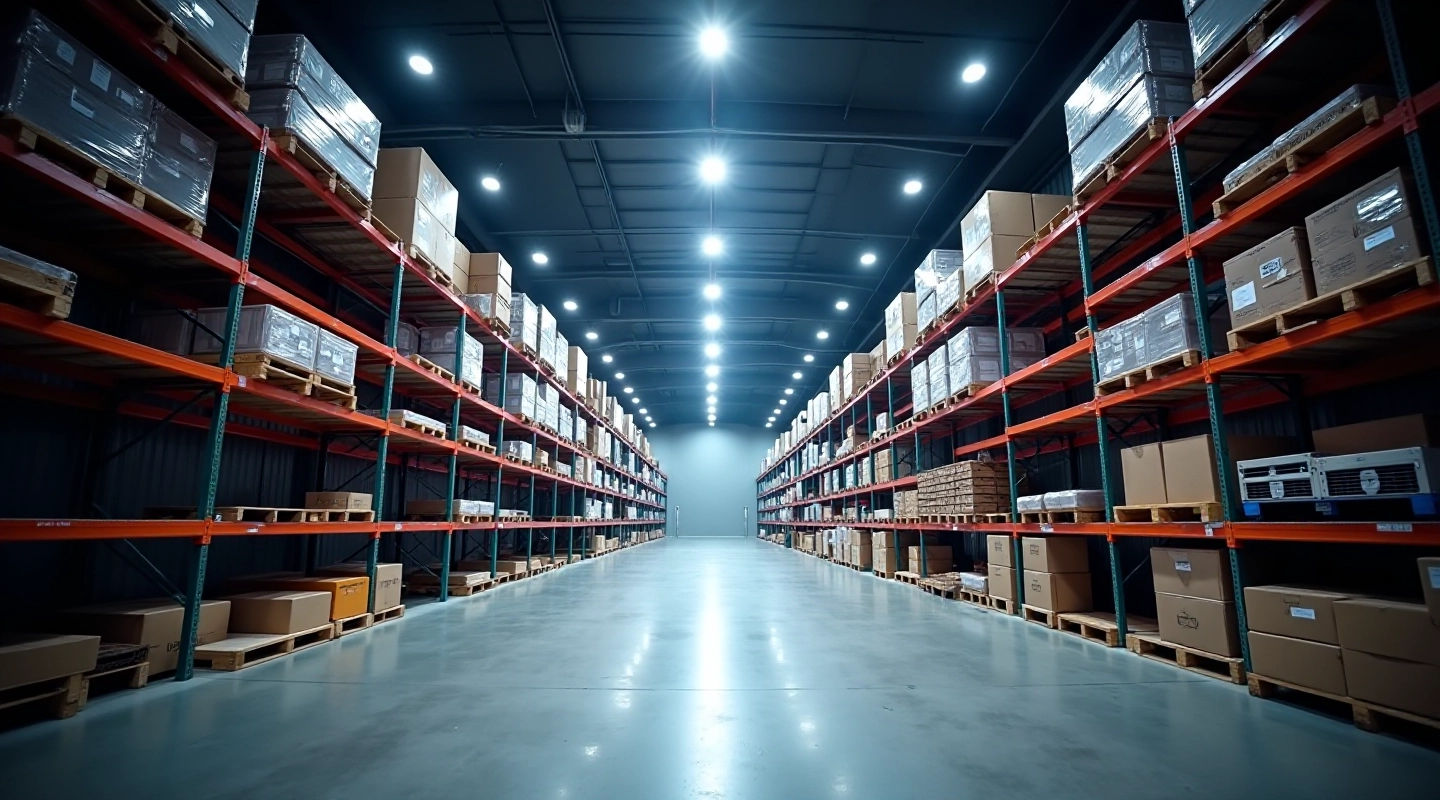
High Bay Lights: What Warehouse Managers Need to Know
High bay fixtures designed for spaces 20+ feet tall. We cover mounting heights, beam angles, and real installation considerations.
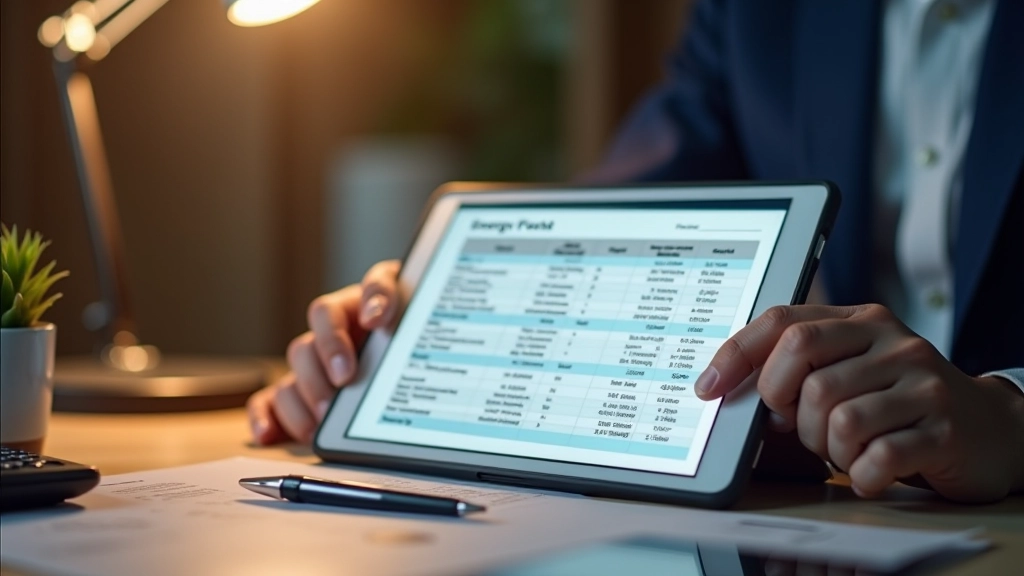
Learn how to measure actual energy cost reductions from switching to LED lighting. Real examples from Vilnius warehouses included.
Here's the thing — people throw around LED energy savings numbers all the time. "You'll save 75% on electricity!" they'll say. But when you're running a warehouse with hundreds of lights, you need real numbers. Not marketing fluff. We'll walk you through the actual math so you can figure out what LED conversion will cost you and how long before you break even.
The good news? It's simpler than you'd think. You don't need an engineering degree. Just your current electricity bill, the wattage of your existing lights, and a basic understanding of how many hours per day your lights actually run. That's it.
Start by looking at what you've got installed right now. Most warehouse lighting falls into a few categories. You might have traditional high-pressure sodium (HPS) fixtures — those orange-looking lights. Or maybe metal halide. Or you've got some mix of older fluorescent panels.
The wattage is usually printed right on the fixture or ballast. For a typical warehouse, you're looking at fixtures that pull anywhere from 150W to 400W each. Some places have 500W or more in their high bays.
Quick tip: If you can't find the wattage, check your last few electricity bills. Look for the kWh usage and divide by the hours your lights run. That'll give you a rough total consumption.
This is where the real numbers come in. You'll need three pieces of information: how many fixtures you have, how many hours per day they run, and your local electricity rate.
Let's work through a real example. Say you've got 40 HPS fixtures at 250W each in your warehouse. They're on 10 hours per day (6 AM to 4 PM, Monday through Friday). Your electricity rate is €0.15 per kWh — pretty typical for Vilnius businesses.
Monthly cost calculation:
40 fixtures × 250W × 10 hours × 22 working days = 2,200 kWh
2,200 kWh × €0.15 = €330 per month
Annual lighting cost: €3,960
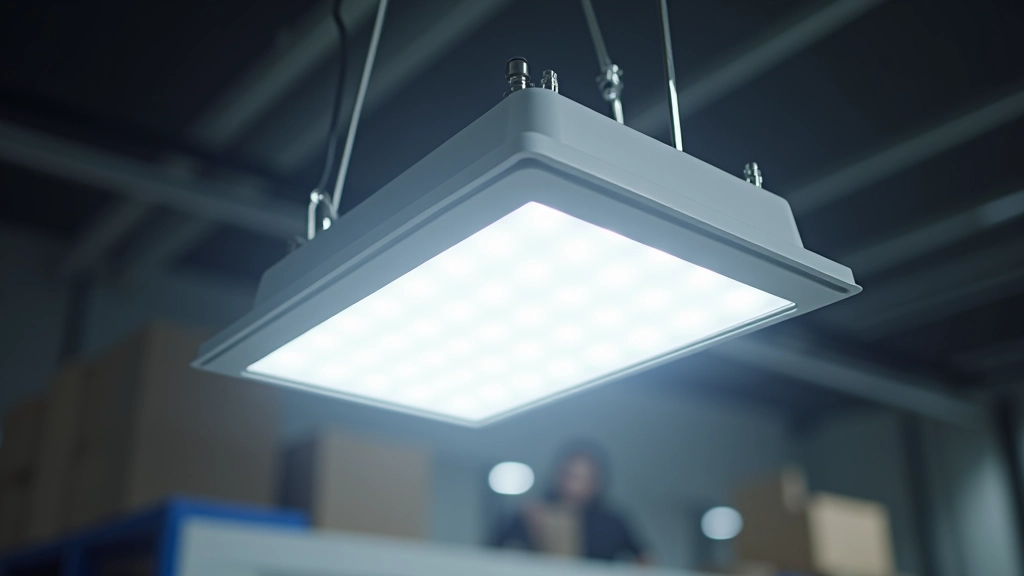
Now swap in equivalent LED fixtures. A quality LED high bay that replaces that 250W HPS? You're looking at 100W to 120W. That's a real difference.
Using the same example: 40 fixtures at 110W each, same 10 hours daily, same electricity rate.
LED monthly cost calculation:
40 fixtures × 110W × 10 hours × 22 working days = 968 kWh
968 kWh × €0.15 = €145 per month
Annual lighting cost: €1,740
That's a savings of €2,220 per year. Just on electricity. Not counting maintenance.
Okay, so you're saving €2,220 annually on electricity. But LED fixtures cost money upfront. Quality LED high bay fixtures run around €150-250 each depending on the model and brightness. Let's say €180 per unit for decent commercial-grade fixtures.
40 fixtures × €180 = €7,200 initial investment. Divided by €2,220 annual savings = 3.2 years to break even. After that? Pure savings.
You're down €4,980 (initial cost minus savings)
You've recovered your investment plus gained €660 in net savings
You've banked €22,200 in total savings, and LEDs still have 5+ years left in them
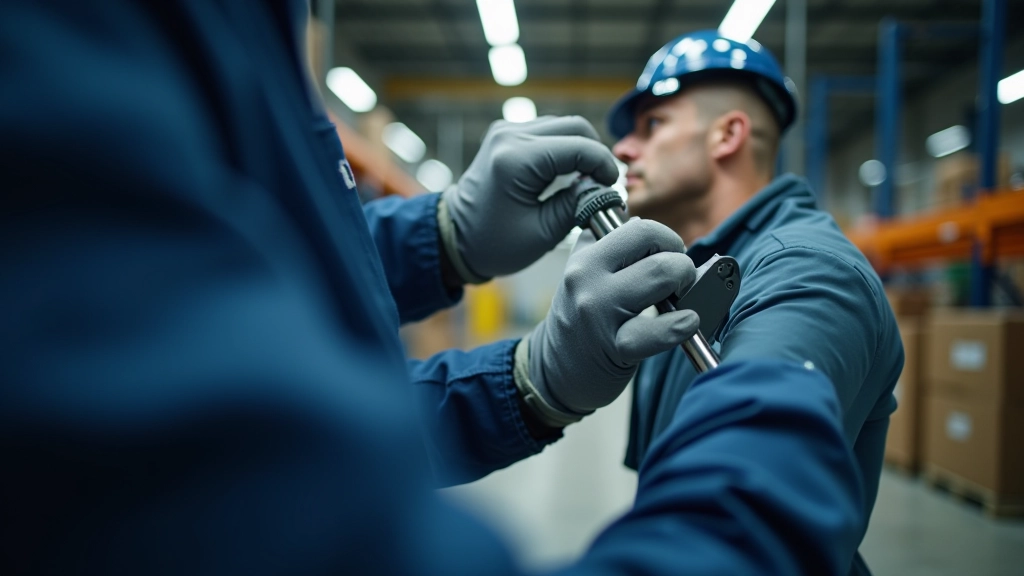
Here's something that gets overlooked. Those old HPS and metal halide fixtures? They need ballast replacements. They need regular maintenance. They fail more often. You're paying someone to climb a ladder and swap them out.
LED fixtures last 50,000 to 100,000 hours. That's 10-15 years of continuous use for most warehouses. You'll replace them once, maybe twice, in their lifespan. The older tech? You're doing maintenance every few years.
If you factor in just €5 per fixture annually in maintenance costs for your old system, that's another €200 per year you're saving. That changes your payback from 3.2 years to about 2.8 years.
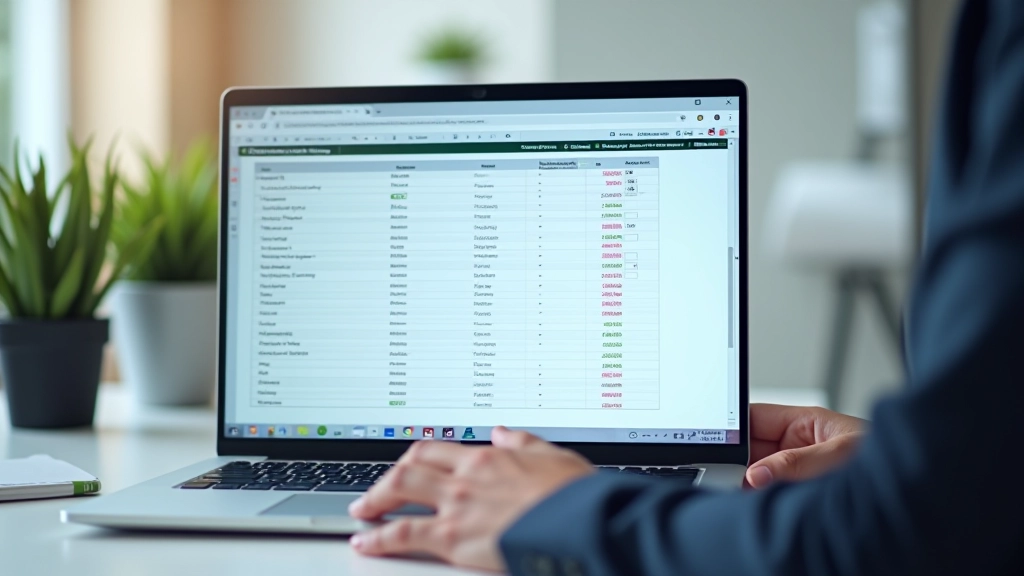
You don't need fancy software. A simple spreadsheet works perfectly. Here's what you need in columns:
Then repeat the same columns for your proposed LED fixtures. Subtract LED costs from old costs, and you've got your monthly savings. Multiply by 12 for annual. Divide your fixture cost by the annual savings, and you've got your payback period.
LED conversion isn't a leap of faith. It's a straightforward math problem. For most warehouses, you're looking at 2-4 year payback periods, after which you're purely saving money. Add in the maintenance cost reductions, better light quality, and reduced downtime, and the case gets even stronger.
The hard part isn't the calculation. It's just doing it. Take 30 minutes, grab your electricity bill and fixture information, and run the numbers. You'll be surprised how quickly the investment pays for itself.
This article provides educational information about LED energy calculations and typical warehouse lighting scenarios. Actual energy savings will vary based on your specific fixtures, local electricity rates, usage patterns, and climate conditions. We recommend consulting with a lighting professional or electrician to assess your particular installation and get accurate quotes before making purchasing decisions. Energy costs and fixture prices are subject to change and are based on 2026 market conditions in Lithuania.
Editorial Team
Written by the ravelforde editorial team, focused on practical, honest guidance for industrial LED lighting decisions.
High bay fixtures designed for spaces 20+ feet tall. We cover mounting heights, beam angles, and real installation considerations.
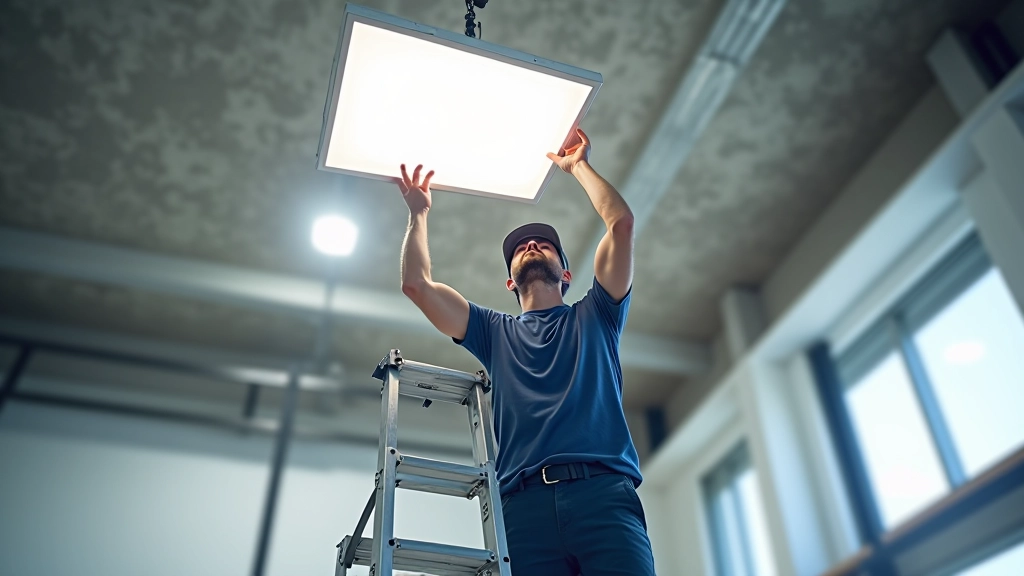
Step-by-step guide for installing LED panels in warehouses. Includes wiring, spacing, and maintenance schedules you'll actually use.

Different color temperatures affect productivity and safety. We explain how to pick the right one for your warehouse tasks.