
Choosing the Right Color Temperature for Your Space
Different color temperatures affect productivity, safety, and how people feel in your warehouse. We'll walk you through warm, neutral, and cool white options so you pick what actually works for your tasks.

Why Color Temperature Actually Matters
When you're shopping for LED warehouse lights, you'll hear a lot about Kelvin ratings. But what does that mean for your actual space? Thing is, color temperature isn't just about aesthetics — it directly impacts how your team works.
A light that's too warm can make detailed work harder. One that's too cool might feel sterile and drain energy. Get it right, and you've got people working more comfortably, making fewer mistakes, and staying alert throughout their shifts.
We're going to break down the three main color temperature ranges and show you exactly where each one works best. No marketing fluff — just practical guidance for picking the right light for what you actually do in your warehouse.
Main color temperature ranges you need to know
The full spectrum from warm to cool
The neutral "sweet spot" for most warehouses
Warm White: 2700K–3000K
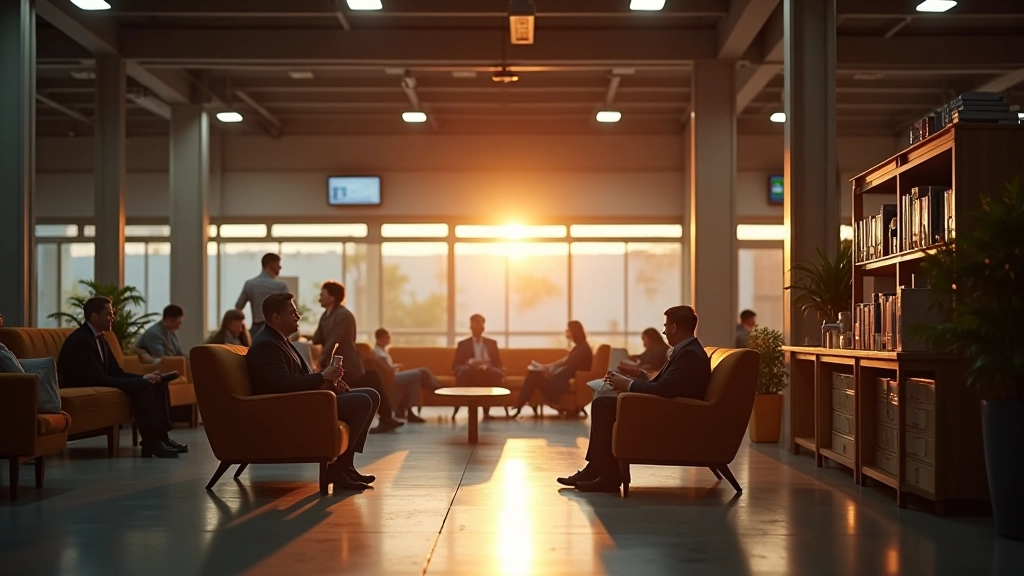
Warm white light has an orange-yellow tone. It's cozy, inviting, and easy on the eyes. You've probably seen this in offices and retail spaces — it creates that welcoming feel.
For warehouses? Warm white works well in break rooms, administrative areas, and spaces where people aren't doing precision work. It's relaxing and doesn't create harsh shadows. Workers tend to feel less fatigued when they're spending time in warm-lit areas.
Best for:
- Office areas and meeting rooms
- Employee break rooms and lounges
- Entryways and reception areas
- Low-activity storage zones
The downside? Warm white doesn't provide enough brightness contrast for detailed inspection work. If you're checking product labels or sorting items by size, you'll want something cooler.
Cool White & Daylight: 5000K–6500K
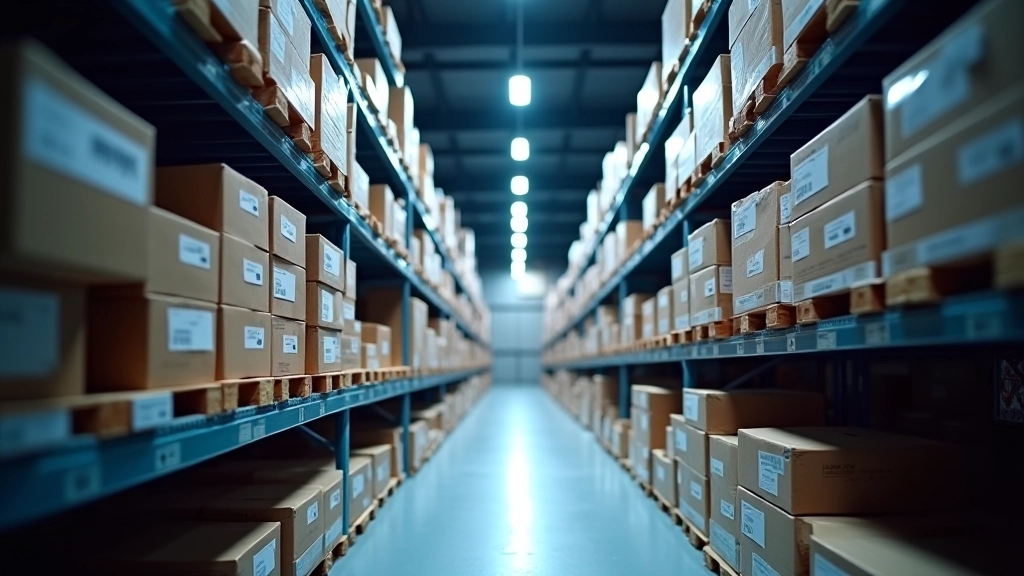
Cool white and daylight LEDs have a blue-white tone. This is the light you see in hospitals, retail stores, and modern offices. It's bright, sharp, and mimics natural daylight — which is why it keeps people alert.
For warehouse picking, packing, and quality control work, cool white is your best friend. It reveals every detail, reduces eye strain during precision tasks, and creates that energized feeling that keeps your team focused. You'll see fewer picking errors and better color recognition.
Best for:
- Picking and packing stations
- Quality control and inspection areas
- Shipping and receiving zones
- High-traffic work areas
One thing to watch: Cool white can feel harsh if it's too bright or if workers are spending 8+ hours under it. That's why proper fixture design and avoiding glare matters. But for active work areas? You can't beat it.
Neutral White: 3500K–4100K (The Goldilocks Option)
Neutral white sits right in the middle. It's not warm, not cool — it's balanced. You get decent detail visibility without the harsh, sterile feeling of full daylight. This is why 4000K has become the go-to for most general warehouse applications.
Neutral white works across multiple tasks. Your team can do general storage work, moderate picking, and administrative tasks all under the same lights without complaints. It doesn't drain energy like cool white can over long shifts, and it provides way more detail than warm white.
Advantages
- Balances visibility and comfort
- Works for mixed task types
- Less worker fatigue
- Decent color recognition
Trade-offs
- Not optimal for precision work
- Not as relaxing as warm
- Compromise rather than specialist

How to Pick the Right Temperature for Your Warehouse
Here's the thing — you don't have to pick just one color temperature for your entire warehouse. Most operations use a mix. Let's walk through how to make that decision.
Map Your Work Zones
Identify what actually happens in each area. Picking stations need different light than storage aisles. Admin areas need different light than receiving docks. Write it down — you'll reference this when ordering.
Consider Task Complexity
Detailed work (reading small text, color sorting, quality checks)? Go cool white. General movement and storage? Neutral white works fine. Break areas? Warm white is perfectly acceptable.
Think About Duration
If workers spend 8 hours under the same lights, you want something that doesn't cause eye fatigue. That usually means 4000K is the sweet spot. Cool white is fine for 2–3 hour shifts in specific zones.
Test Before Committing
If you're replacing an entire system, ask your LED supplier about demo units. Spend a day working under the lights you're considering. You'll learn more in a few hours than reading any spec sheet.
Pro tip: Don't mix color temperatures randomly throughout your warehouse. If you're using 4000K in the main area, keep picking stations at 4000K or 5000K — not 2700K. Sudden shifts between warm and cool create eye fatigue as workers move between zones.
Energy Use and Color Temperature
Here's a question we hear often: Does cooler light use more energy? The short answer is no — color temperature doesn't affect power consumption. A 4000K LED and a 6500K LED with identical specs will use the same watts and last just as long.
What matters for energy is lumens per watt and fixture efficiency. A poor-quality 5000K light can actually use more energy than a well-designed 4000K fixture. So don't let anyone tell you that choosing cool white will cost you extra on the electric bill — it won't.
Focus on lumens output, driver efficiency, and thermal management. Those are what impact your energy costs. Color temperature? That's purely about what works best for your tasks and your people.

Getting It Right From the Start
Color temperature isn't something you need to overthink, but it's also not something to ignore. Spending 15 minutes mapping your zones and thinking through what happens in each one will save you frustration later.
Start with neutral white (4000K) as your baseline. It works. Then add cooler light where detail matters and warmer light where people need to relax. Most warehouses end up with a two-tier system — and that's perfectly fine.
The goal isn't to win a lighting design award. It's to give your team the light they need to do their jobs comfortably and safely. When you get that right, everything else follows — fewer errors, better productivity, and workers who actually don't mind their shifts.
Ready to plan your warehouse lighting? Get in touch with questions about which color temperatures fit your specific setup.
Send us a messageInformation Disclaimer
This guide provides general educational information about LED color temperatures and their applications in warehouse environments. Individual results vary based on specific facility layouts, task requirements, worker preferences, and existing infrastructure. We recommend consulting with a professional lighting designer to evaluate your particular space and needs. This content isn't a substitute for expert lighting assessment or professional installation guidance.
Author
Ravelforde Editorial Team
Editorial Team
Written by the ravelforde editorial team, focused on practical, honest guidance for industrial LED lighting decisions.
Related Articles
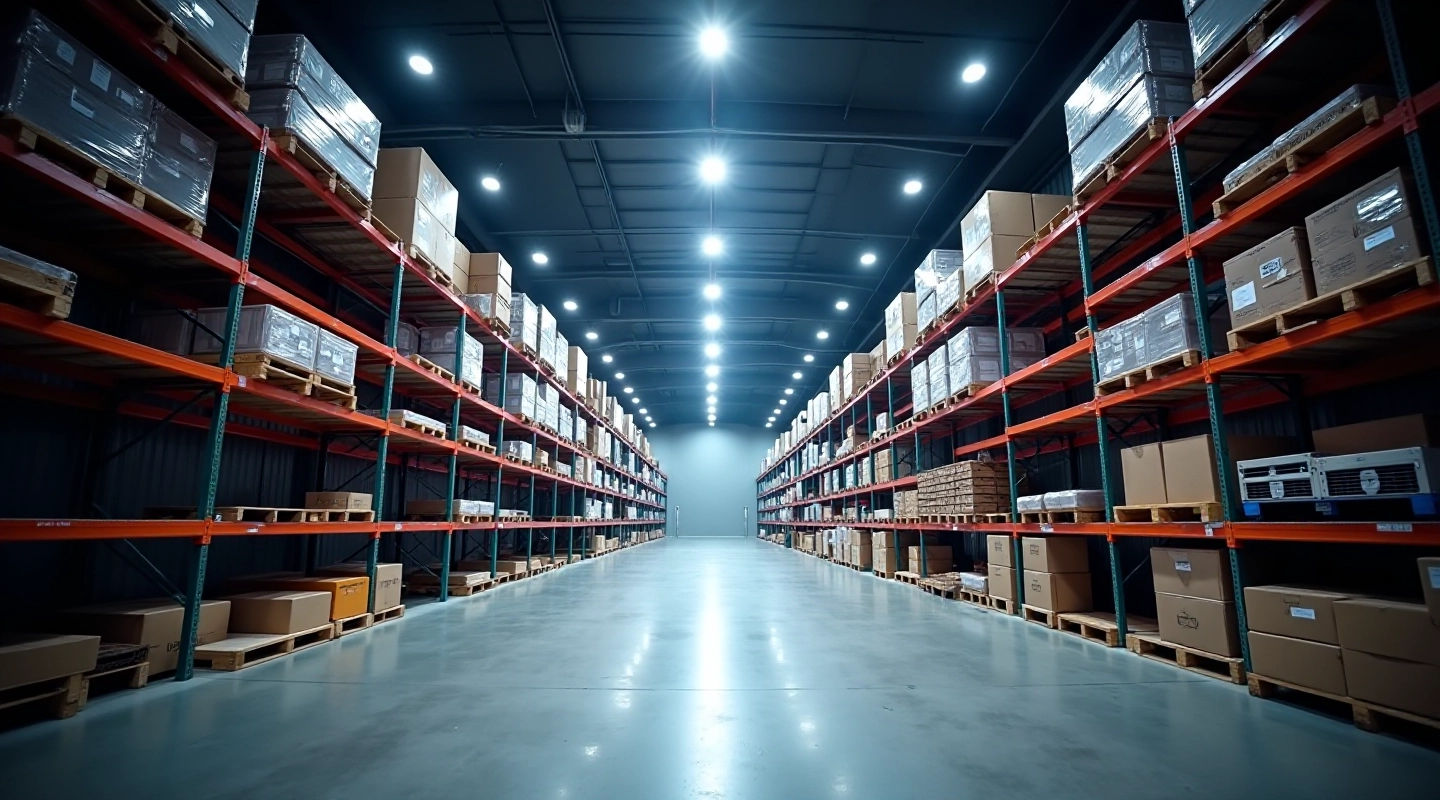
High Bay Lights: What Warehouse Managers Need to Know
High bay fixtures designed for spaces 20+ feet tall. We cover mounting heights, brightness levels, and choosing between different high bay styles.
LED Panel Lights for Storage Areas: Installation and Maintenance
Step-by-step guide for installing LED panels in warehouses. Includes wiring, spacing considerations, and ongoing maintenance tips.

Calculating Your LED Energy Savings
Learn how to calculate actual energy savings from switching to LED. Includes real examples and a straightforward formula you can use.