
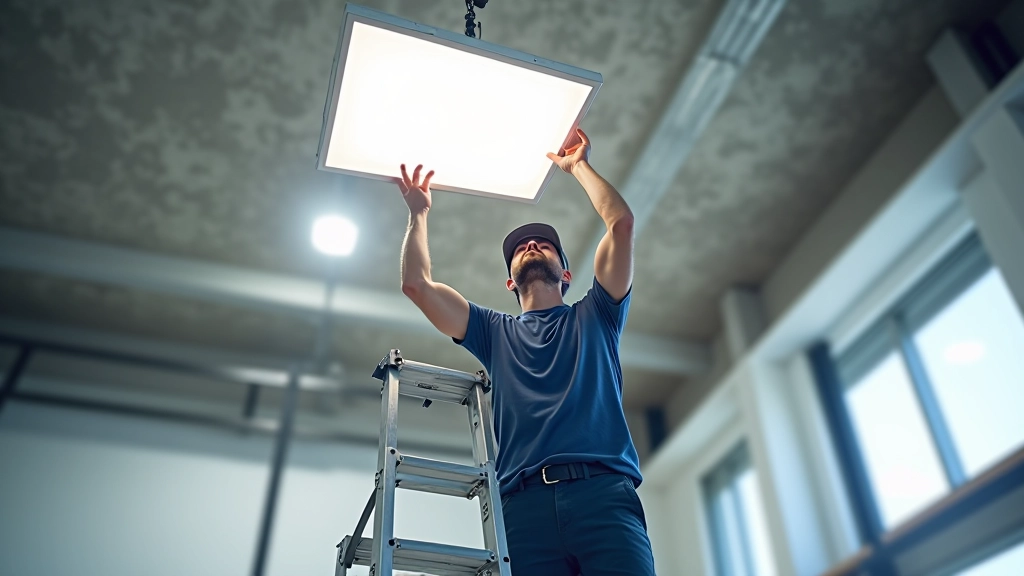
LED Panel Lights for Storage Areas: Installation and Maintenance
Step-by-step guide for installing LED panels in warehouses. Includes wiring, spacing, and maintenance schedules.
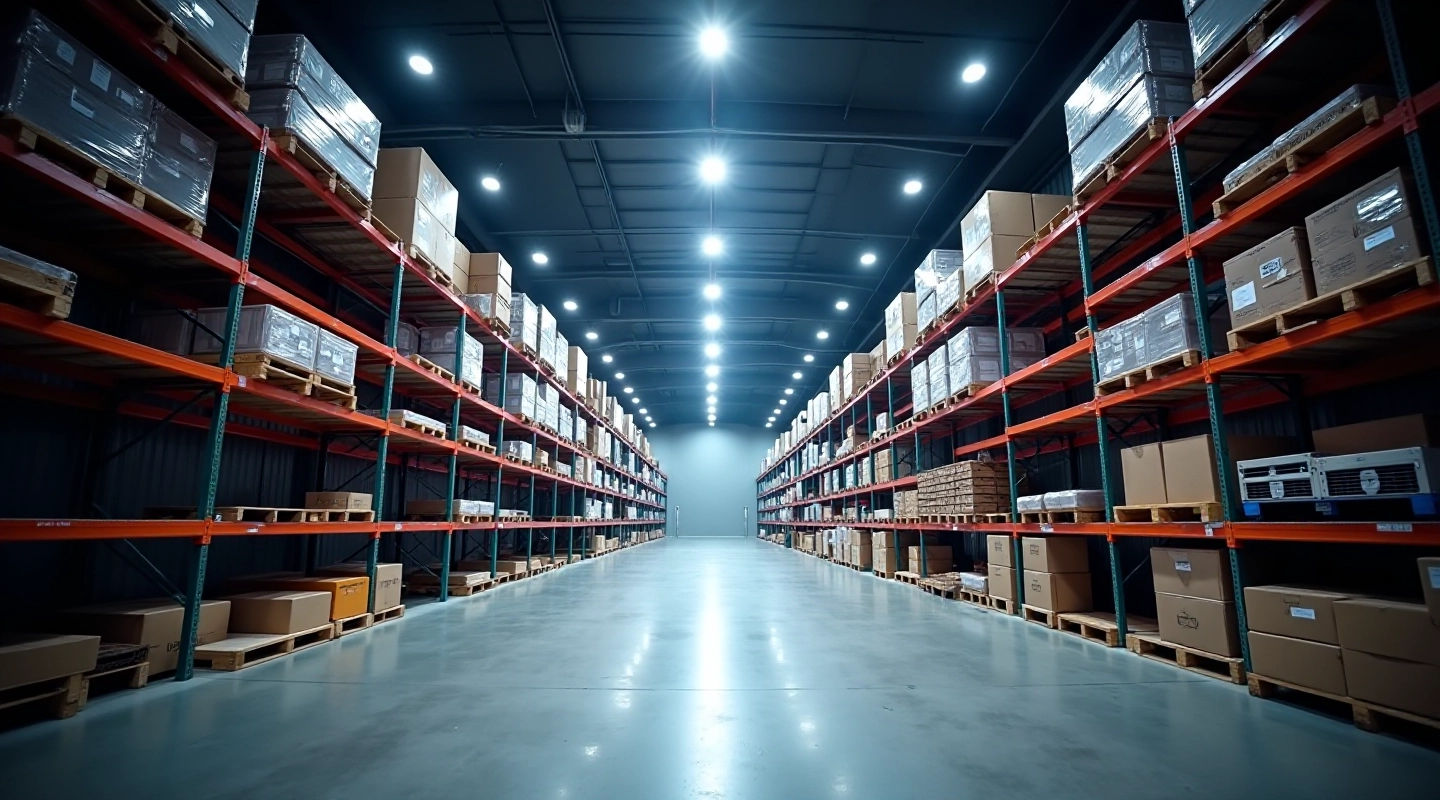
Everything you need to understand about selecting, installing, and maintaining high bay lighting systems for large industrial spaces.
High bay fixtures aren't just about brightness. They're designed for spaces 20 feet or taller — think warehouses, manufacturing facilities, and distribution centers. When you're working with that kind of vertical space, standard ceiling lights simply won't cut it. You need fixtures engineered for distance, heat management, and consistent illumination across massive areas.
The right high bay system affects everything from worker safety to energy costs. Poor lighting creates safety hazards and reduces productivity. But oversizing your system wastes money on wattage you don't need. We'll walk you through the real decisions warehouse managers face — and how to get them right.
The first decision is where you're actually hanging these lights. Most high bay fixtures work best between 20 and 45 feet up. But here's what catches people off guard: height directly affects the spread of light and the fixtures you'll need.
At 20-30 feet, you'll typically use narrower beam angles. Your light travels less distance, so it concentrates more on a smaller floor area. That means fewer fixtures overall, but you need them positioned more precisely. At 30-45 feet, you're working with wider beam angles to cover larger areas, which means more fixtures but simpler installation planning.
Don't guess on this. Measure your ceiling height first, then work backward to fixture specifications. Most manufacturers include beam angle data in their specs — use it. A 90-degree beam at 35 feet covers roughly 50 feet across on the floor. A 120-degree beam covers about 85 feet. These aren't small differences when you're calculating fixture counts.
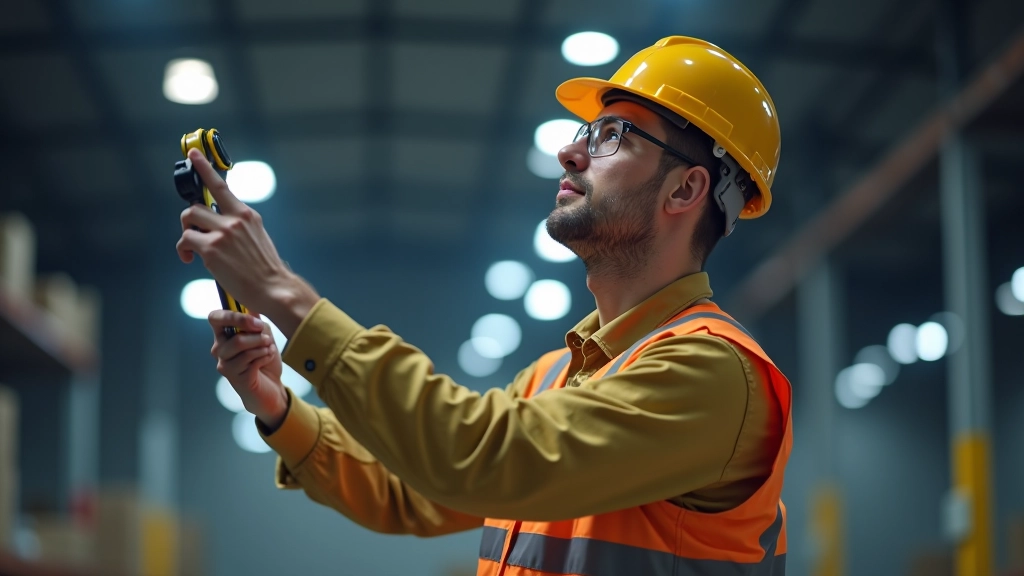
This is where energy efficiency actually matters. High bay fixtures come in standard wattages: 100W, 150W, 200W, 240W, and higher. Bigger doesn't mean better. You're looking for the right power level for your specific application.
A general storage area might need 50-100 foot-candles of light. A precision assembly area? You're looking at 200-300 foot-candles. That's not just a number — it's the actual measurement of usable light hitting your work surfaces. Your fixture's lumens rating tells you the total light output, but beam angle and mounting height determine how much actually reaches the floor.
Here's the real talk: oversizing by even one wattage category adds up fast. A 200W fixture versus a 150W might only cost $50 more upfront, but over a year of 16-hour daily operation, you're looking at hundreds in extra electricity. Undersize though, and you're cutting worker productivity and creating safety issues. That's why getting a proper lighting audit matters — it's not just about guessing.
LEDs run cooler than traditional high intensity discharge fixtures, but they still generate heat. The difference? LED heat management is critical because it directly affects lifespan. A fixture running at 80 degrees Celsius will last years longer than one running at 120 degrees.
Most quality high bay fixtures use aluminum heat sinks to dissipate thermal energy. The larger the heat sink, the better the performance over time. You'll want to check whether your warehouse has adequate ventilation. Stuffy, hot environments work against you. Good air circulation keeps fixtures running efficiently.
One thing people overlook: mounting orientation. Some fixtures are designed for horizontal ceiling mounts, others for pendant-style hanging. The design affects heat dissipation. Always install according to the manufacturer's specs. Rotating a fixture 90 degrees from its intended orientation might improve aesthetics but will compromise cooling performance.
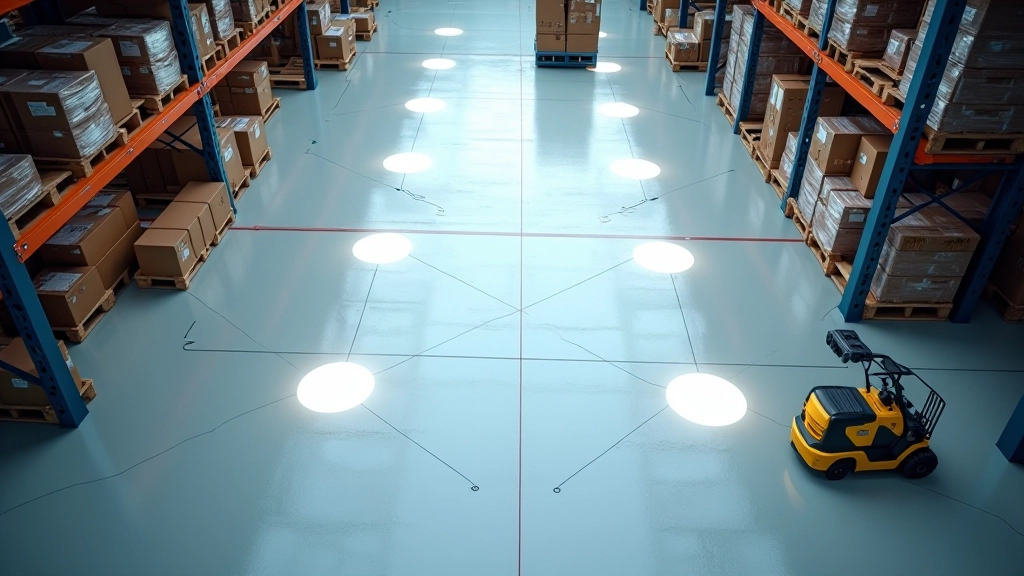
Calculate spacing based on mounting height and beam angle. Most warehouses use a grid pattern. Fixtures are typically spaced 1.5 to 2 times the mounting height apart. At 30 feet, that's roughly 45-60 feet between centers.
High bay fixtures need proper electrical infrastructure. Run conduit from your panel to each fixture location. Don't skimp on wire gauge — undersized wiring causes voltage drop and efficiency loss. Hire a licensed electrician for this part.
Secure all fixtures properly. Use mounting hardware rated for the fixture weight plus a safety factor. Most commercial installations use independent safety cables in addition to primary mounts. This isn't optional — it's required by building code.
Once everything's installed, measure actual light levels at floor height. Compare to your target foot-candles. You'll likely need to adjust fixture positions slightly to optimize coverage. Document everything for maintenance records.
LEDs need less maintenance than traditional fixtures, but they still need attention. Dust and dirt accumulation reduces light output over time. A fixture that's 30% dusty won't deliver the brightness it's rated for. Clean your fixtures every 6-12 months depending on your facility's dustiness.
Check mounting hardware annually. Vibration from equipment or even HVAC systems can loosen fasteners over years of operation. A 10-minute inspection catches problems before they become safety issues. Keep a maintenance log. Document cleaning dates, any performance changes, and when individual fixtures need replacement.
Most quality LED high bay fixtures last 50,000 to 100,000 hours. That's roughly 5-10 years of typical warehouse operation. When they do fail, replace them in batches. You don't want a patchwork of different fixture ages and brightness levels. Replace all fixtures in a section together to maintain uniform lighting.
High bay lighting decisions shouldn't be complicated. Start with your actual needs: ceiling height, light levels required for your operations, and facility layout. From there, the fixture selection becomes straightforward. You're matching wattage and beam angle to your specific dimensions and requirements.
The warehouse managers who get the best results aren't the ones who buy the most expensive fixtures. They're the ones who measured their space properly, calculated realistic light requirements, and planned installation carefully. That's not fancy — it's just practical thinking.
If you're uncertain about any part of this process, don't hesitate to consult with a lighting professional. A proper site assessment costs a fraction of what you'll save by avoiding mistakes. Your facility's safety and efficiency depend on getting the fundamentals right.
Informational Note: This article provides general guidance on high bay lighting selection and installation. Specific requirements vary based on facility type, local building codes, and operational needs. Always consult with qualified lighting professionals and electricians for your particular installation. Building permits and code compliance are your responsibility. We recommend working with certified contractors for all electrical work.

Author
Editorial Team
Written by the ravelforde editorial team, focused on practical, honest guidance for industrial LED lighting decisions.
Step-by-step guide for installing LED panels in warehouses. Includes wiring, spacing, and maintenance schedules.

Learn how to calculate actual energy savings from switching to LED. Includes real-world examples and ROI calculations.

Different color temperatures affect productivity and safety. We explain how to pick the right Kelvin rating for your needs.